Multi-class language detection
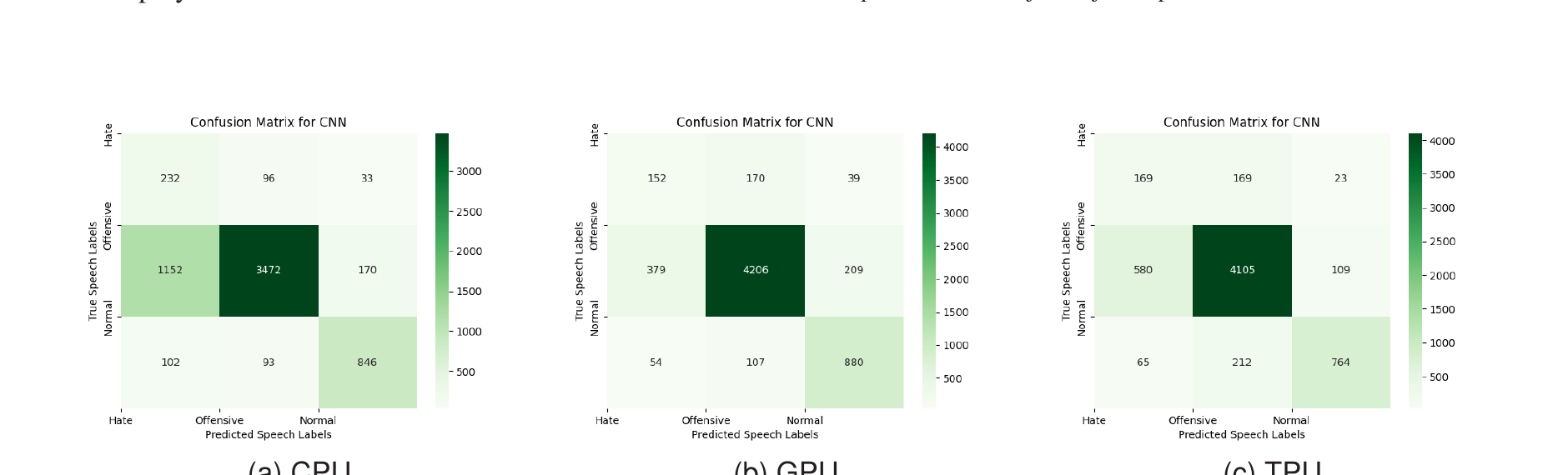
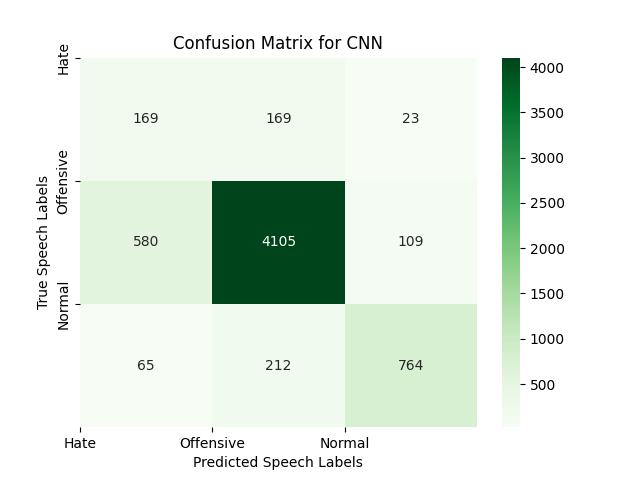
Deep-learning models classify text as hate, offensive, or normal using pretrained word representations and a benchmark social-media dataset.
Safer virtual environments
How can a metaverse platform detect harmful language in real time without carrying a model too heavy to deploy?
Published in the IEEE ICTC 2023 proceedings
Can an explainable, compressed text classifier support real-time hate-speech moderation inside a metaverse application?
Immersive social platforms reproduce the safety challenges of the wider internet, including harassment, hate speech, and offensive language. Detection models must be accurate enough to moderate interactions, explainable enough to inspect, and compact enough to run within an interactive platform.
MetaHate evaluates deep-learning text classifiers, develops a lightweight CNN with GloVe embeddings, applies LIME explanations, quantizes the model, and connects it to a live Roblox environment through a web service.
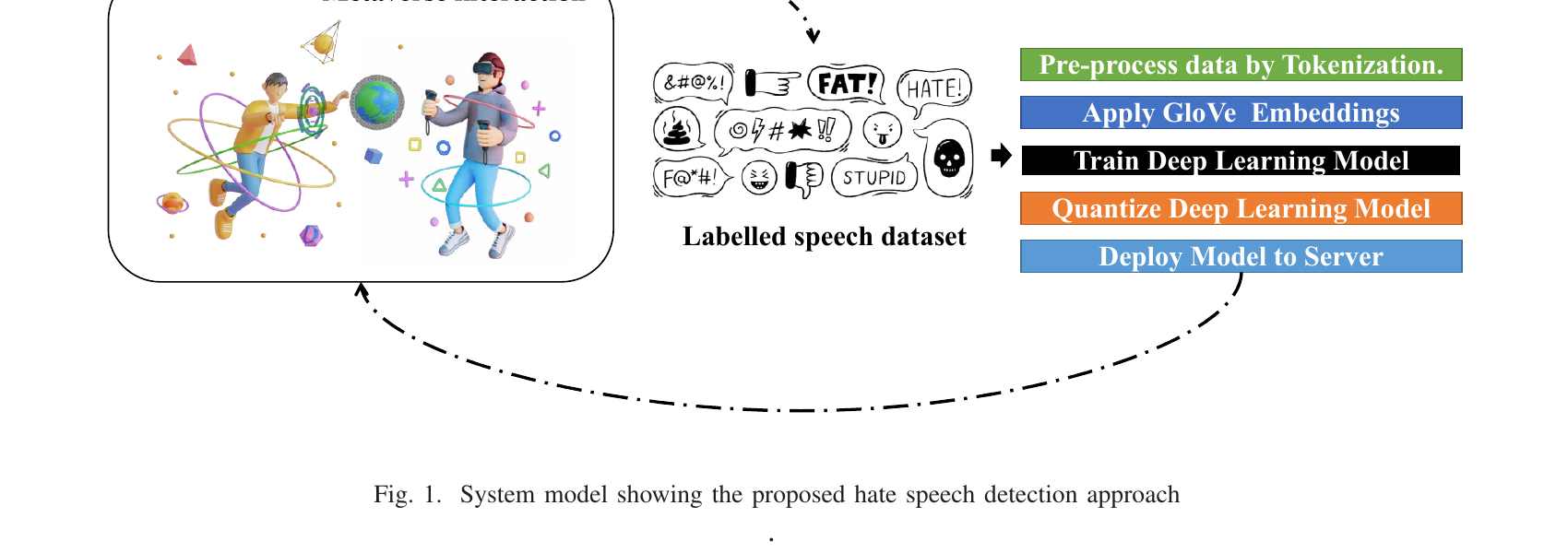
The complete system model connects live metaverse interaction to a labeled speech dataset, tokenization, GloVe embeddings, deep-model training, quantization, server deployment, and a moderation response returned to the virtual environment.
Deep-learning models classify text as hate, offensive, or normal using pretrained word representations and a benchmark social-media dataset.
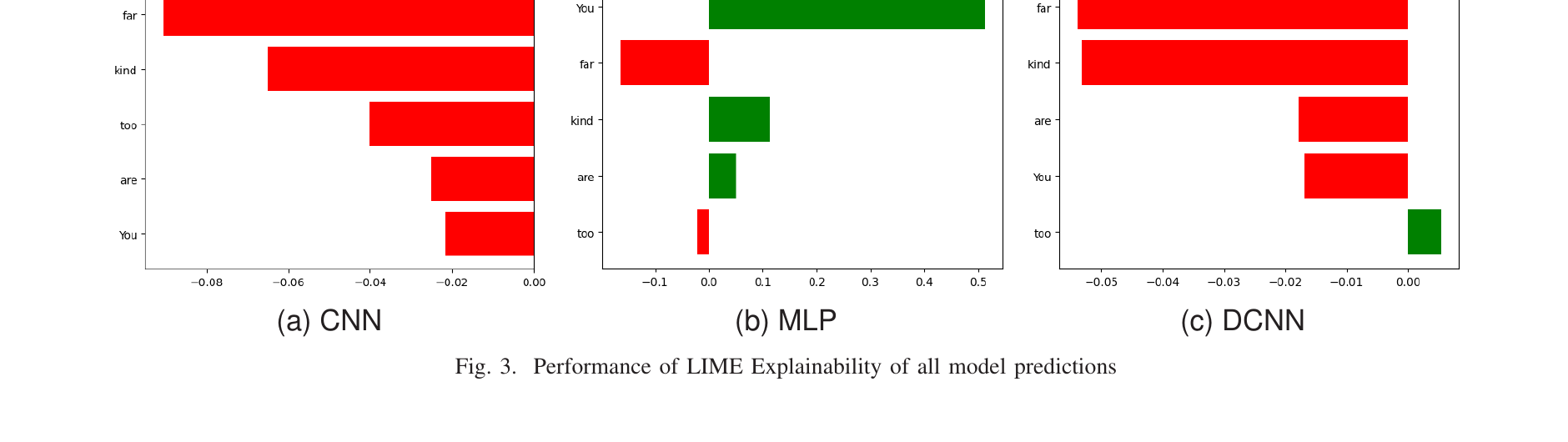
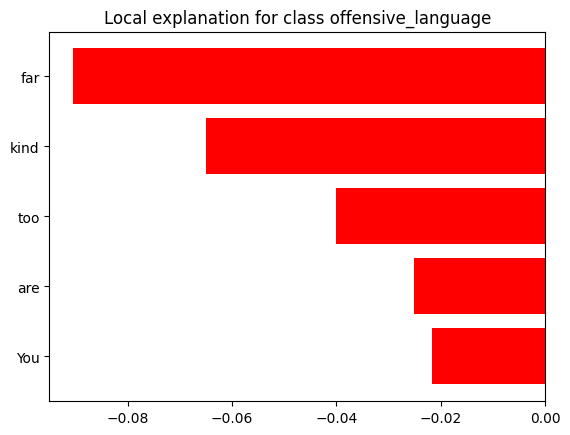
LIME exposes influential words while quantization reduces the CNN footprint for practical serving.
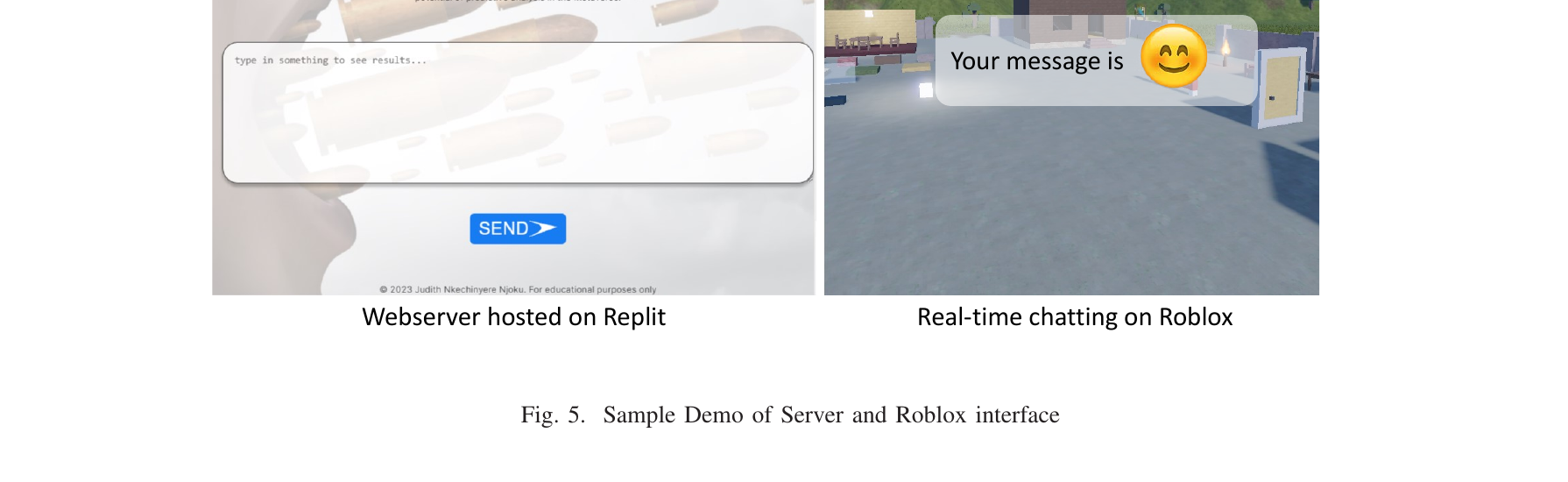
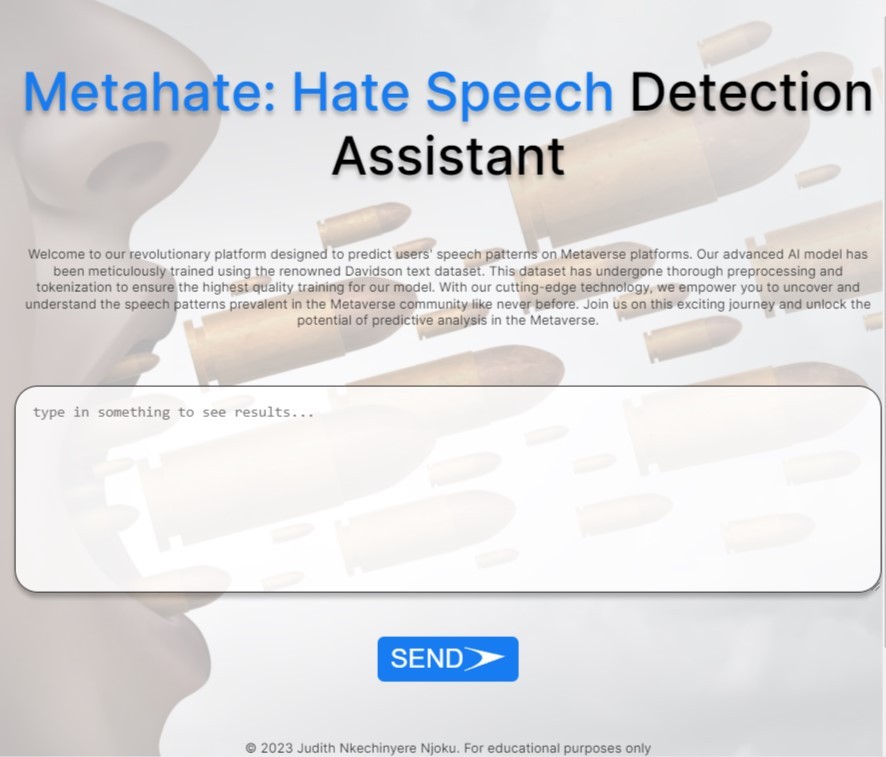
A hosted web service receives messages from Roblox, performs real-time analysis, and returns moderation results to the virtual environment.
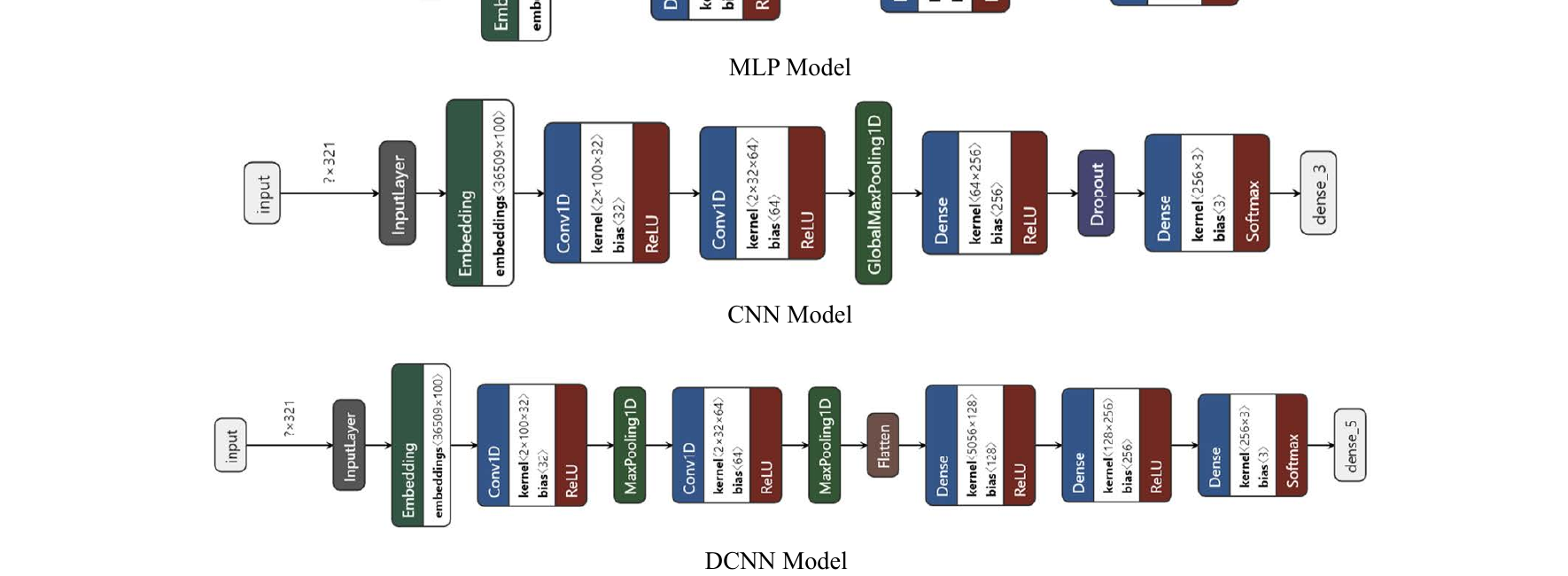
The deployment makes the research concrete: moderation is not evaluated only as an offline classification score. Model size, explanation quality, web serving, and the behavior of a live Roblox connection all become part of the system.
MetaHate is a research prototype using text-based moderation and a three-class dataset. Broader deployment would require multilingual evaluation, continuously evolving language data, fairness analysis, and platform-specific moderation policies.