Dealership performance data
A private United States dealership dataset was prepared around advisor activity, customer-pay work, warranty work, repair orders, labor, and profit.
AI-enabled decision systems
Can performance analytics show automotive dealerships not only who needs support, but why?
Published in the Journal of Retailing and Consumer Services, 2024
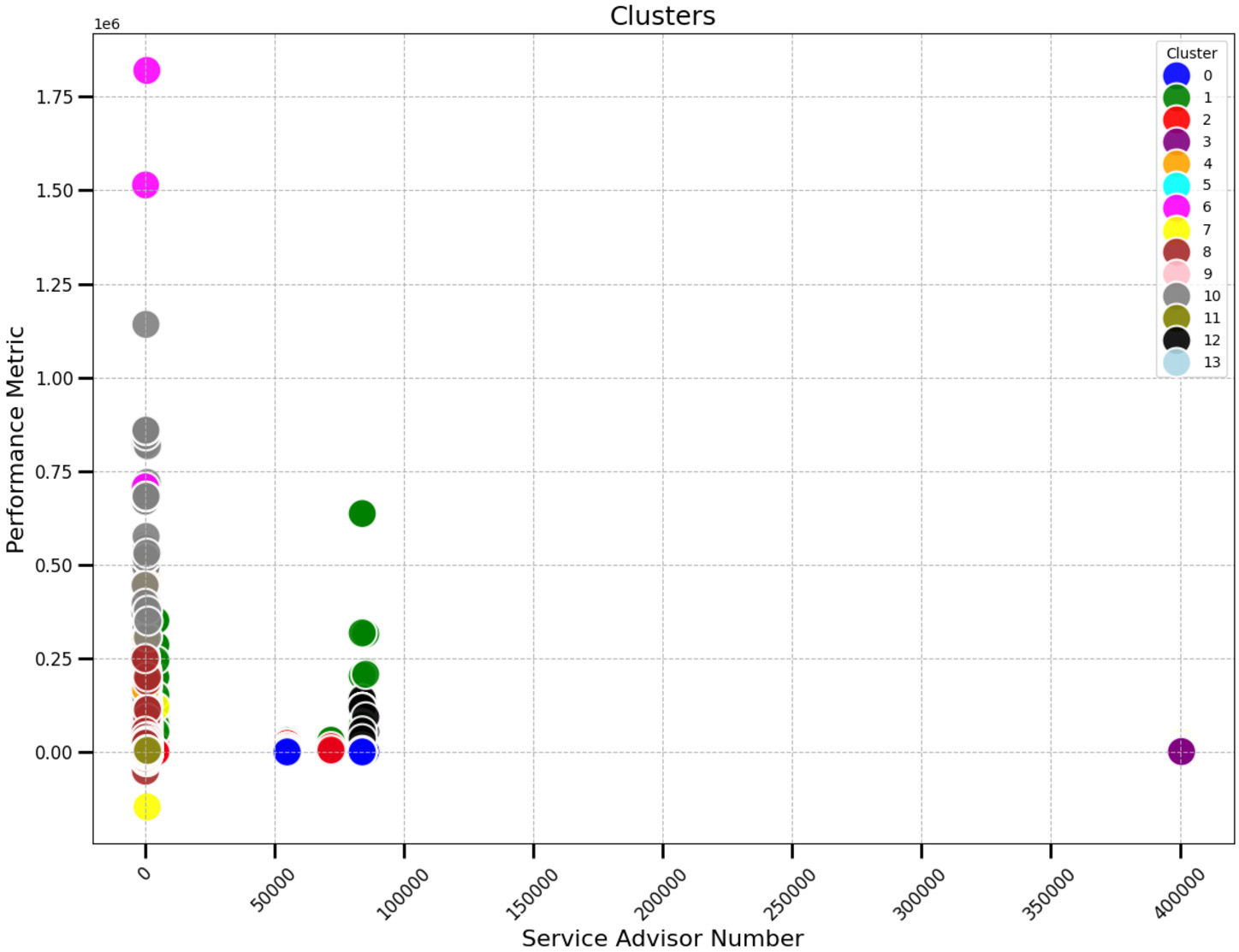
How can interpretable regression and clustering uncover distinct service-advisor performance patterns from real dealership data?
Service advisors translate customer needs into repair work and play a central role in dealership profitability. Simple rankings can identify high and low performers, but they do not explain the operational patterns behind those differences.
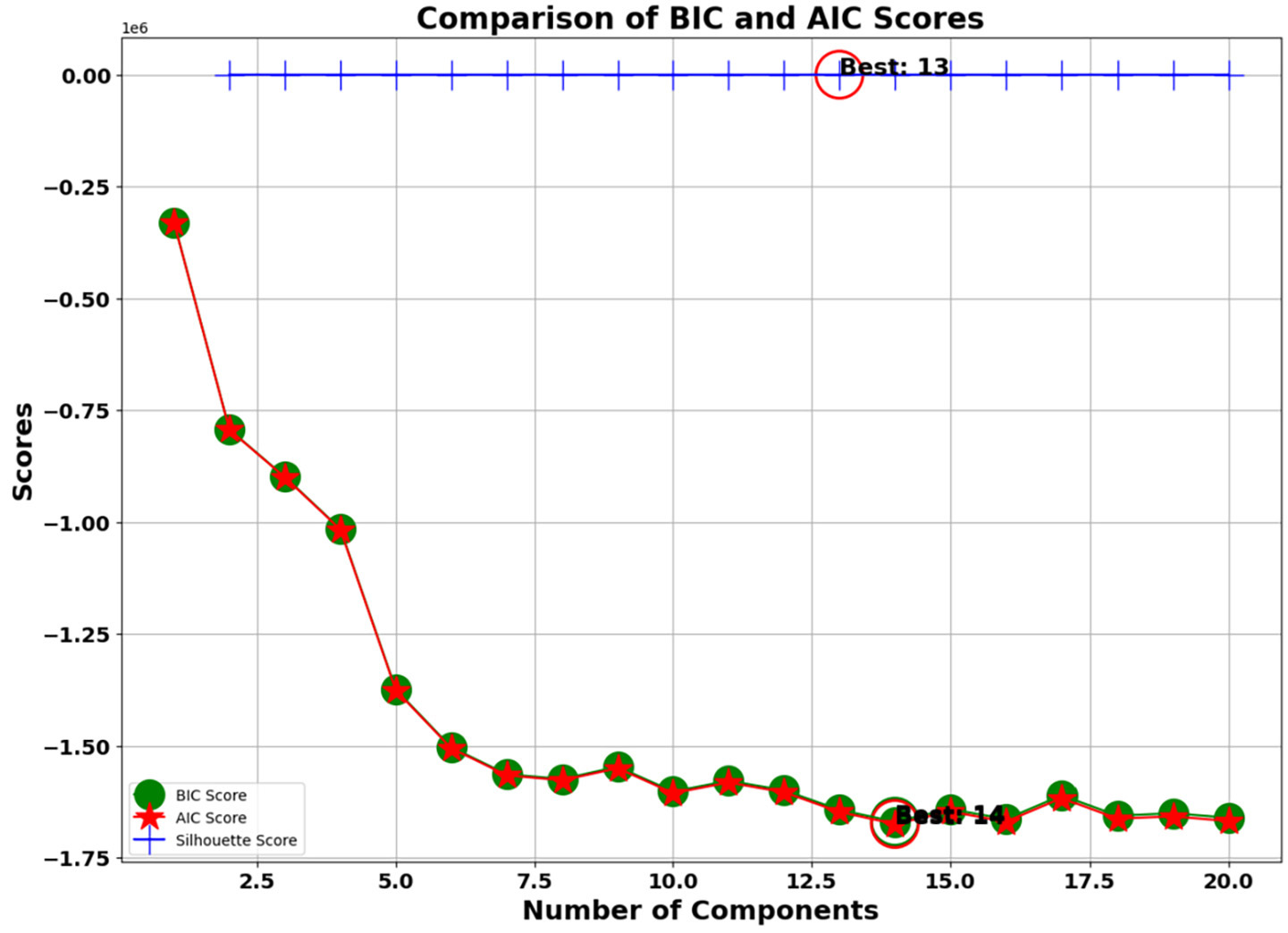
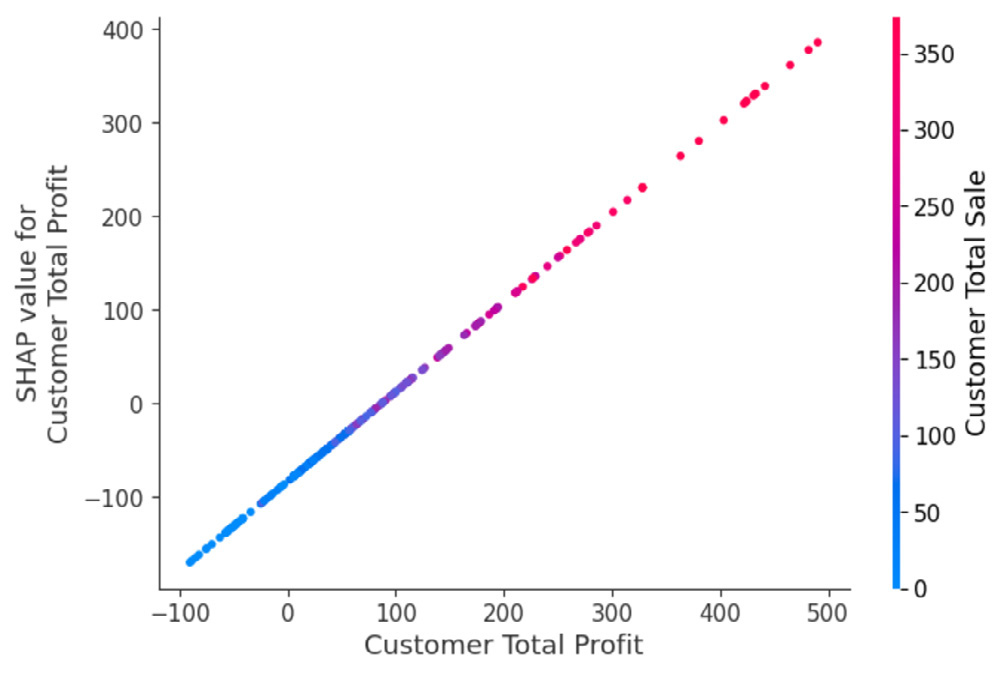
This project evaluates five regression approaches within finite-mixture models, clusters advisors into distinct performance groups, and uses SHAP to reveal how service measures influence predicted profit. The result supports targeted coaching, benchmarking, and resource allocation.
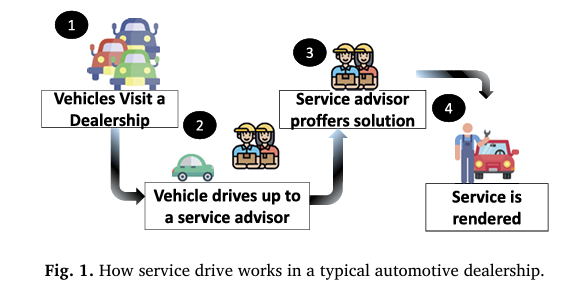
The dealership workflow maps how a service advisor receives a vehicle, translates customer concerns into repair work, coordinates technicians, and closes the service interaction.
A private United States dealership dataset was prepared around advisor activity, customer-pay work, warranty work, repair orders, labor, and profit.
Five regression families were evaluated within finite-mixture models to represent heterogeneous relationships that a single global regression would obscure.
Gaussian mixture clustering, information criteria, silhouette analysis, and SHAP connect each performance group to actionable operational factors.
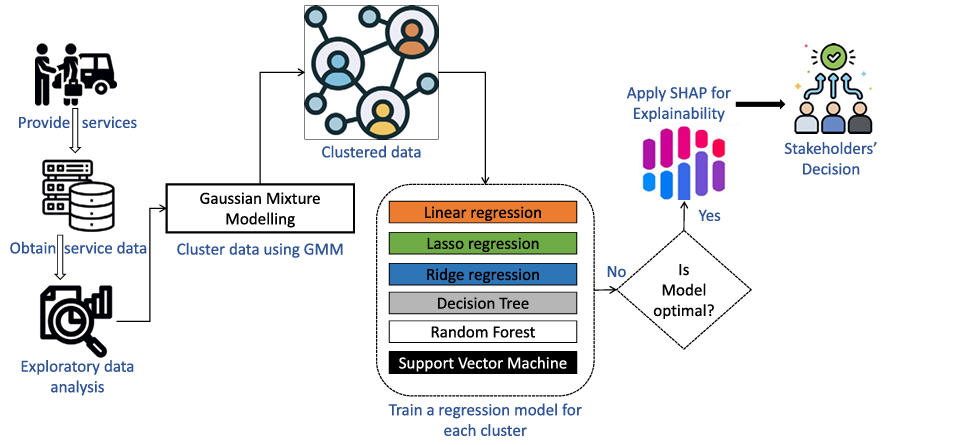
Performance groups become useful when their differences can be explained. High-performing clusters can reveal transferable practices, while lower-performing clusters can receive support tailored to the factors that constrain them. The study also shows where quantitative models struggle to capture complex human performance.
The analysis uses a private dataset from one United States automotive dealership. Its value is the interpretable methodology and decision framework, while broader validation would require data across additional dealerships and operating contexts.