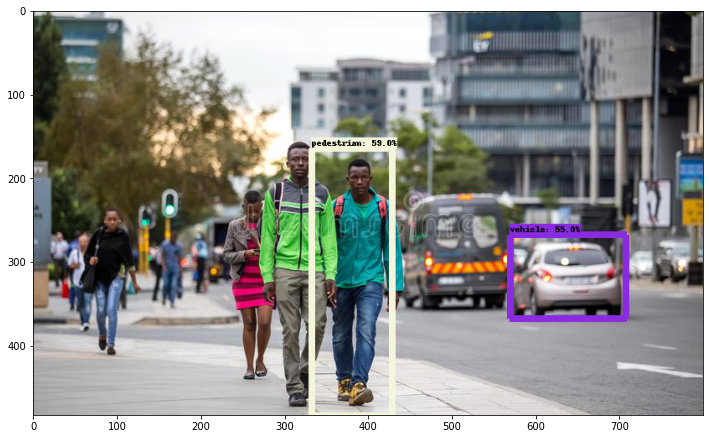
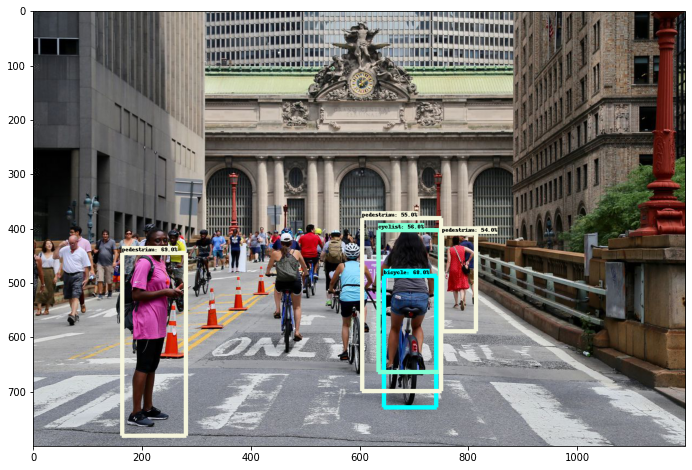
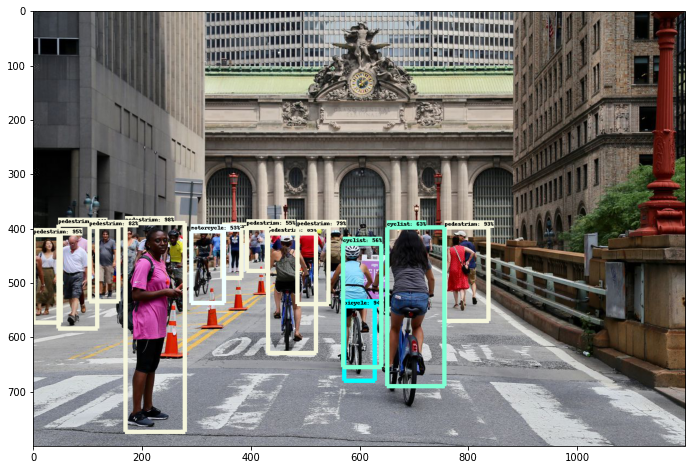
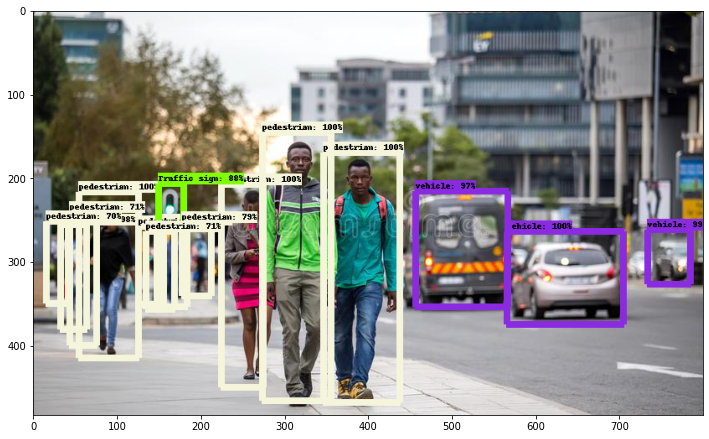
TraPedesVeh dataset
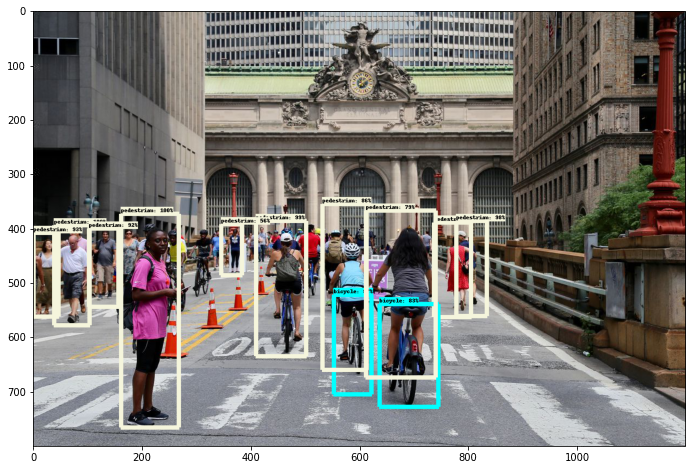
Images containing vehicles, pedestrians, cyclists, bicycles, buses, and traffic signs were collected, annotated, normalized, and converted into a common detection format.
Transportation perception
Which object detector best supports the mixed visual demands of a smart parking environment?
Presented at IEEE ICTC 2022 in Jeju Island, South Korea
How do Faster R-CNN and SSD detector families trade detection quality against training speed when they are evaluated on the same multi-class parking dataset?
SmartParking is a computer-vision study of joint vehicle, pedestrian, cyclist, bicycle, bus, and traffic-sign detection. Unlike work that treats each object family as a separate problem, this project evaluated the combined perception task required around a parking facility.
The study also introduced TraPedesVeh, a labeled mini-dataset assembled to address the limited availability of images containing the multiple road users and signs that a parking system must understand at the same time.
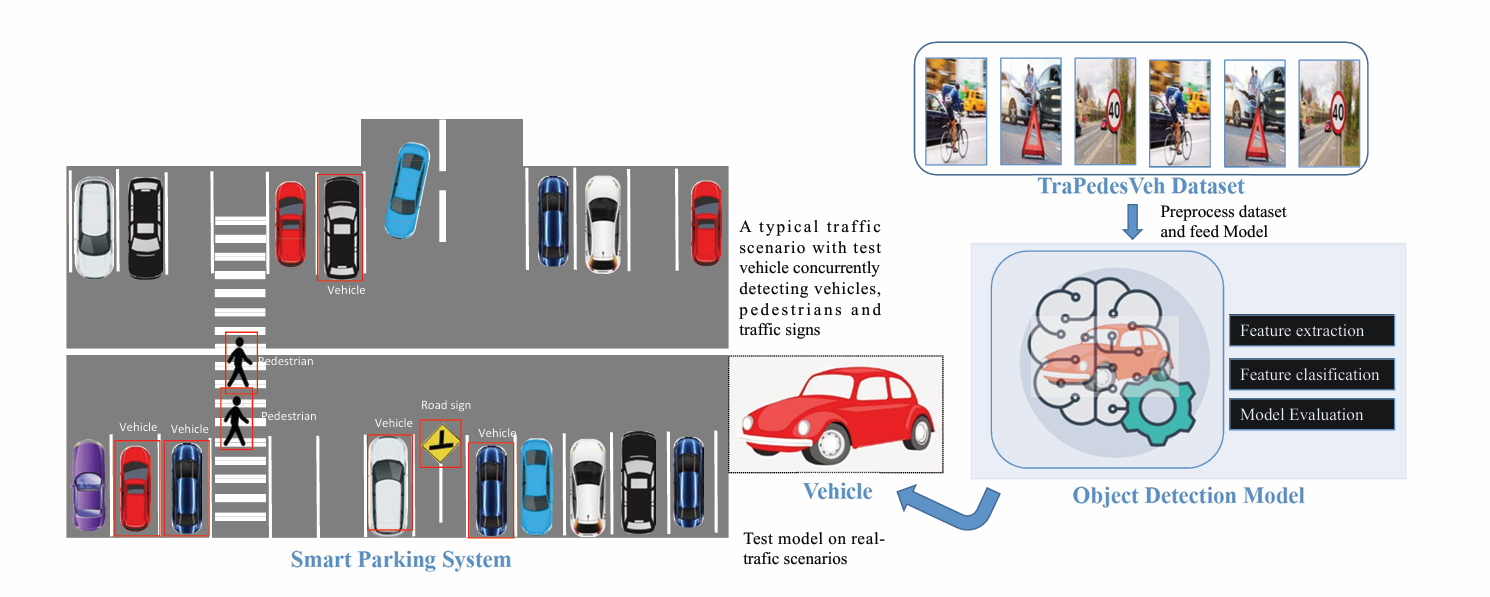
The complete system connects the TraPedesVeh dataset to preprocessing, feature extraction, classification, evaluation, and real-traffic testing for vehicles, pedestrians, and traffic signs.
Images containing vehicles, pedestrians, cyclists, bicycles, buses, and traffic signs were collected, annotated, normalized, and converted into a common detection format.
The study evaluated SSD and Faster R-CNN variants with MobileNet, ResNet, and Inception-ResNet backbones under a shared computational setting.
Detection accuracy, average precision, average recall, training time, classification loss, localization loss, and total loss exposed the speed-accuracy tradeoff.

The highest-accuracy model was also the slowest to train, while the fastest SSD configuration sacrificed substantial detection quality. That tension is central to smart-parking deployment: the best model depends on whether the system prioritizes detection fidelity, limited hardware, retraining speed, or real-time response.
SmartParking is a perception and detector-benchmarking project. It is separate from PANDA, which forecasts future parking occupancy and synchronizes predictions with a Cesium digital twin.